You've got firewalls. You've got antivirus. You've got that one guy who "handles security." But when the board asks about your security posture, you're improvising. The NIST Cybersecurity Framework exists to fix that.
What NIST CSF Actually Is
It's not a checklist. It's not a certification you hang on the wall. The NIST Cybersecurity Framework is a structure for thinking about security across your entire organization.
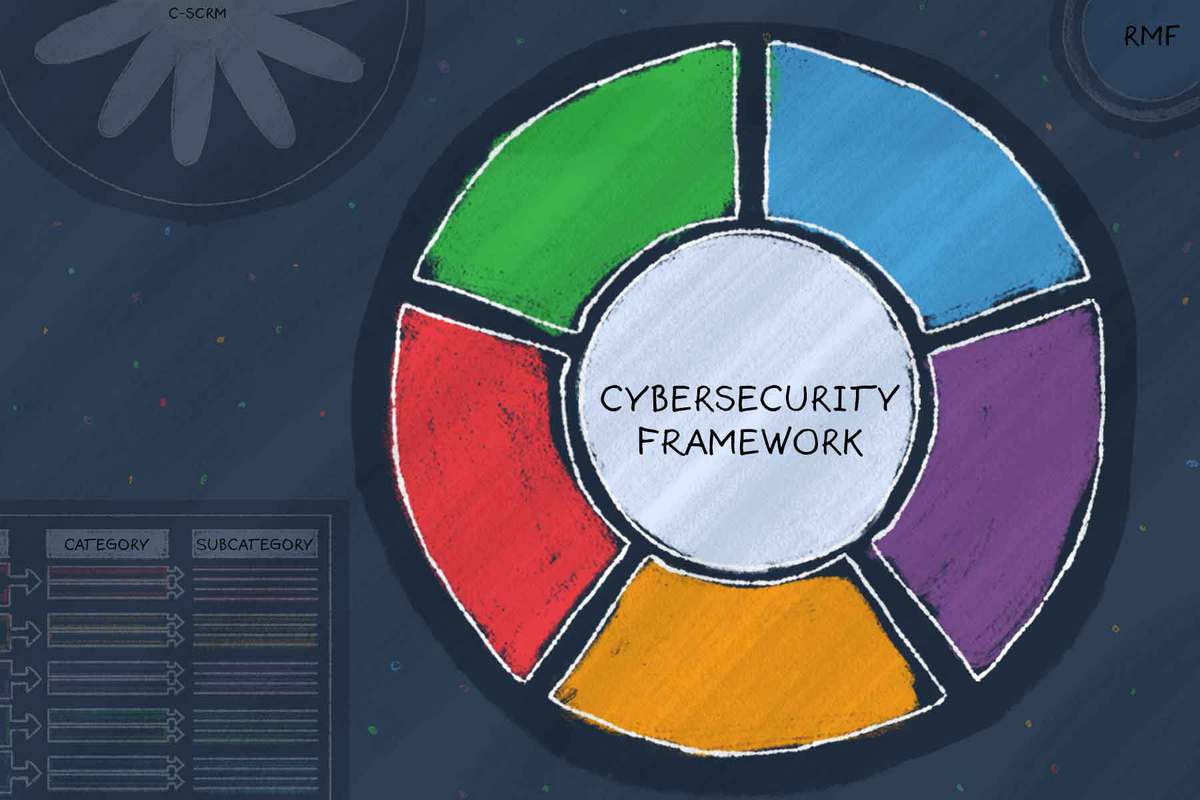
NIST released version 2.0 in February 2024, and it's built around six core functions: Govern, Identify, Protect, Detect, Respond, and Recover. That "Govern" function is new - NIST finally acknowledged that security without executive buy-in goes nowhere.
The Six Functions That Matter
Govern is about who owns security decisions. Not just the CISO. The board. Department heads. Everyone who touches risk.
Identify means knowing what you have. Can't protect assets you don't know exist. I've walked into companies with 40% more devices on their network than their inventory showed.
Protect covers the controls - access management, encryption, training. The stuff most teams jump to first and wonder why it's not enough.
Detect is your monitoring. You need to know when something's wrong before the attacker tells you (usually via ransomware note).
Respond is your playbook for when things go sideways. Who does what? Who talks to the press? Who calls legal?
Recover gets you back to normal. Backups, communication plans, lessons learned.
Why Bother With a Framework
Three reasons.
First, it gives you a common language. When security talks to legal talks to operations, everyone's using the same vocabulary. That matters more than you think.
Second, it maps to other frameworks. SOC 2, ISO 27001, HIPAA - they all overlap with NIST CSF. Get this right and compliance gets easier.
Third, it helps you prioritize. You can't do everything. NIST CSF helps you figure out what's most broken and fix that first.
How to Start Without Losing Your Mind
Don't try to implement everything. Pick one area where you know you're weak. For most organizations, that's Identify - they don't actually know what they have.
Build an asset inventory. Map your data flows. Figure out where the sensitive stuff lives. That alone puts you ahead of 80% of companies.
Then move to Detect. Can you tell when something's wrong? If your detection is "the IT guy notices things are slow," you have work to do.
The NIST CSF isn't magic. It won't stop every breach. But it gives you a way to think about security that's organized, defensible, and actually useful when the auditors show up.